Top 7 AC Problems Miami Lakes Homeowners Report Every Summer
Published: 2026-06-20 · By SuperHVAC AC Repair Miami Lakes
Summer in Miami Lakes means sweltering heat and the constant hum of air conditioning units, as homes rely heavily on effective cooling systems. Unfortunately, as temperatures rise, so do reports of AC malfunctions. High humidity, salt air, and the region's stormy weather can take a toll on your HVAC system, leaving homeowners scrambling for solutions. Understanding the most common issues can save you from unexpected breakdowns and expensive repairs as the summer months set in.
Why This Matters for Miami Lakes Homeowners
Miami Lakes homeowners face unique challenges with their air conditioning systems. The high humidity levels combined with salt air can accelerate wear and tear on unit components, leading to several issues. Compressor failures, clogged condensate drains, and dirty air filters frequently top the list of annual complaints. Each of these problems not only affects cooling efficiency but can also lead to decreased indoor air quality, causing discomfort and health concerns for residents.
When you consider that summer storms can exacerbate these problems, especially with power surges, timely AC maintenance becomes essential. Furthermore, the elevation of homes in Florida often raises concerns about proper drainage, which can lead to water accumulation and subsequent damage to HVAC units. The last thing you want is to endure a hot day during a tropical storm without a functioning cooling system.
Expert Solutions & Actionable Tips
1. Addressing Compressor Failures
One of the most serious issues Miami Lakes homeowners may face is a failing compressor. The compressor is the heart of your AC system, and replacement can cost between $1,200 to $2,500. Be observant for signs of failure, such as unusual noises or inadequate cooling. If you suspect a problem, act quickly to avoid steep repair costs.
2. Preventing Clogged Drains
Clogged condensate drains are particularly common in humid climates like Miami Lakes. When the drain line backs up due to algae growth, it can lead to water damage and mold. This issue can be avoided with routine maintenance and might only cost around $75 to clear a clog. Ensuring proper drainage helps maintain system efficiency.
3. Replacing Dirty Filters
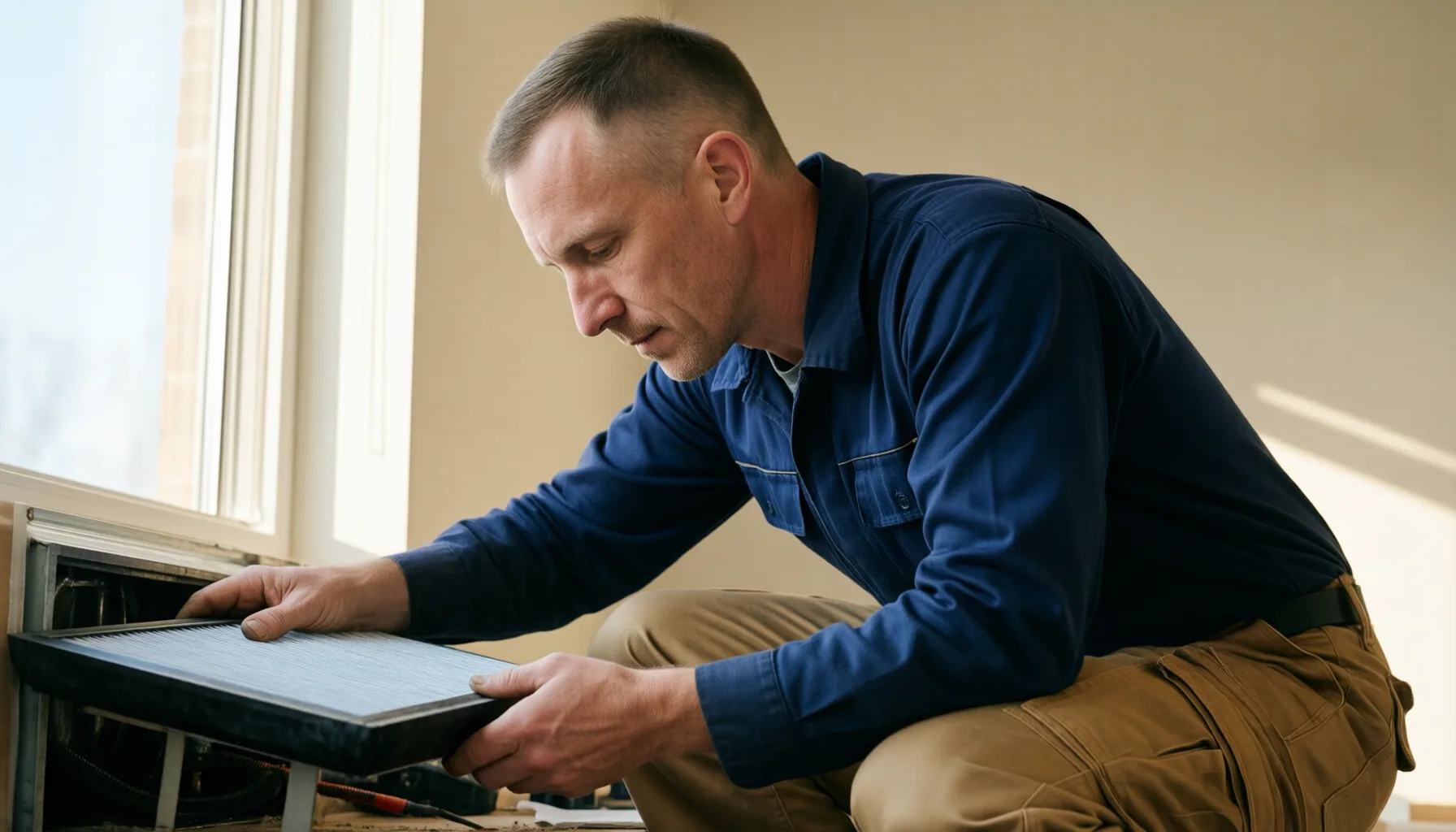
Dirty air filters are notorious for causing strain on AC systems. During peak summer months, it’s advised to change your filters every month. A clean filter can improve airflow and lower energy bills by 5-15%. New filters cost about $15 each but can lead to significant savings on your utility bills.
4. Addressing Refrigerant Issues
Low refrigerant levels can prevent your AC from cooling effectively. If you're experiencing higher temperatures indoors, it may require a refrigerant recharge, which usually ranges from $100 to $350 depending on the amount needed. Make sure to address this before it leads to compressor damage.
5. Inspecting Ductwork
Leaky ductwork can severely impact cooling efficiency. If your energy bills are climbing without reason, consider having a professional inspect your ducts. Repairing leaks can cost around $300 to $500. Well-sealed ducts improve overall system performance and indoor comfort.
6. Hurricane Preparedness
Living in a tropical storm zone means you need to prepare your AC system for potential hurricane impact. Installing hurricane shutters on external units and securing window units can help prevent damage. Depending on your setup, costs can vary widely, but protective measures are invaluable for ensuring system longevity.
Miami Lakes Climate & Local Context
Miami Lakes experiences a tropical climate marked by high humidity and proximity to the coast, which impacts local air conditioning systems. Homes often feature elevated structures with moisture barriers designed to protect against flooding and wear from salt air. This environmental context requires equipment that can withstand these conditions, as well as regular maintenance to ensure longevity.
In addition, local building codes and permit requirements can affect your AC system's installation and repair. Residential and commercial properties must adhere to these regulations, which aim to maintain safety and performance standards. Understanding these local regulations can save homeowners time and money when repairs or replacements are needed.
When to Call a Professional
While some minor maintenance tasks can be easily handled by homeowners, knowing when to call a professional is crucial. Attempting to fix significant AC issues without proper knowledge may lead to further damage or safety risks. If your system displays any of the following red flags, contact SuperHVAC AC Repair Miami Lakes immediately:
- Loud noises or vibrations from the unit
- Inconsistent cooling across rooms
- Unpleasant odors emanating from vents
- Water pooling around the unit
- Frequent cycling on and off
- High energy bills without reason
- Last-minute breakdowns during heat waves
Understanding these indicators can lead to proactive measures and help save homeowners unnecessary costs.
Frequently Asked Questions
What regular maintenance do I need for my AC?
Regular maintenance for your AC includes changing filters monthly, cleaning the outdoor unit, and scheduling professional inspections at least once a year. SuperHVAC AC Repair Miami Lakes offers comprehensive maintenance plans tailored to local needs.
How long does an AC unit typically last?
An HVAC system in Miami Lakes can last around 10 to 15 years with proper maintenance. However, local humidity and salt air may shorten this lifespan if not adequately addressed.
What should I do if my AC isn't cooling properly?
If your AC isn't cooling effectively, check the thermostat settings and filters first. If problems persist, contact SuperHVAC AC Repair Miami Lakes for a professional evaluation and potential repairs.
Are there energy-efficient options available for my AC replacement?
Yes, when replacing your AC unit, consider options with high SEER ratings that are more energy-efficient. These units can provide better cooling while lowering energy costs over time.
How do storms affect my AC system?
Storms can cause power surges, water damage, and debris accumulation on outdoor units. It's important to take precautions before a storm and have your system inspected afterwards for any potential issues.
Get Expert Air Conditioning Repair Service in Miami Lakes
As the summer heat rolls in, make sure your air conditioning system is in top shape. For any repairs or maintenance, don’t hesitate to call (786) 937-3491 to speak with SuperHVAC AC Repair Miami Lakes. We're here to keep Miami Lakes homes cool and comfortable all summer long.
Protect your home from the heat—reach out today for a consultation!